


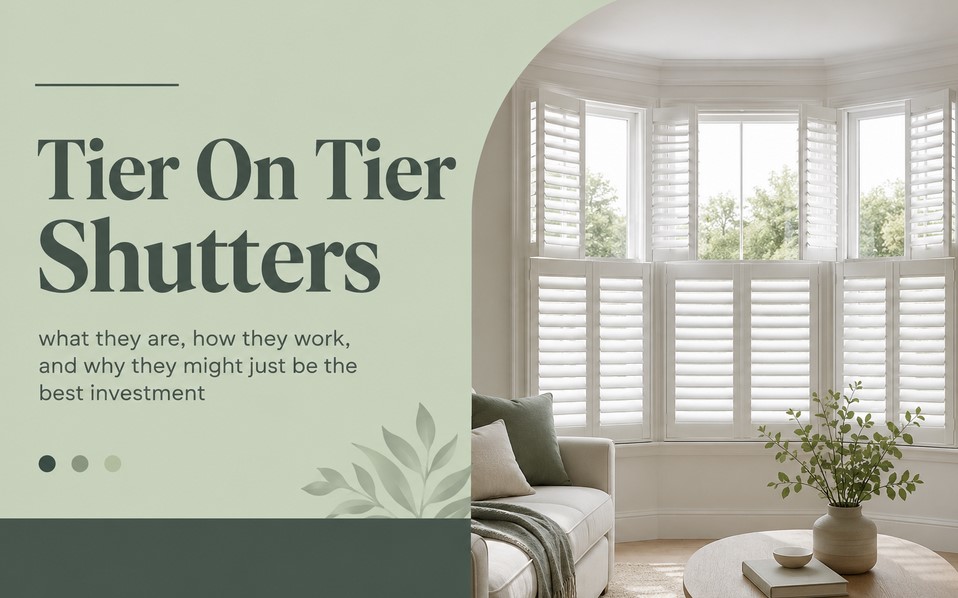

We’ve all been there. You want to enjoy the morning sun in your living room, but opening the curtains puts you on full display to the entire street. Your choices are usually limited to sitting in a gloomy cave or feeling like you’re in a goldfish bowl. Finding the right window dressing completely changes how you use your home, bringing balance to your daily routine.
If you’re looking for the ultimate mix of privacy and natural daylight, you’re probably wondering: what are tier on tier window shutters? In this guide, we’ll explain exactly what they are, how they work, and why they might just be the best investment you make for your property. Since we supply and fit made-to-measure shutters across Essex, we know a thing or two about getting the perfect finish for any room.
What are tier on tier shutters?
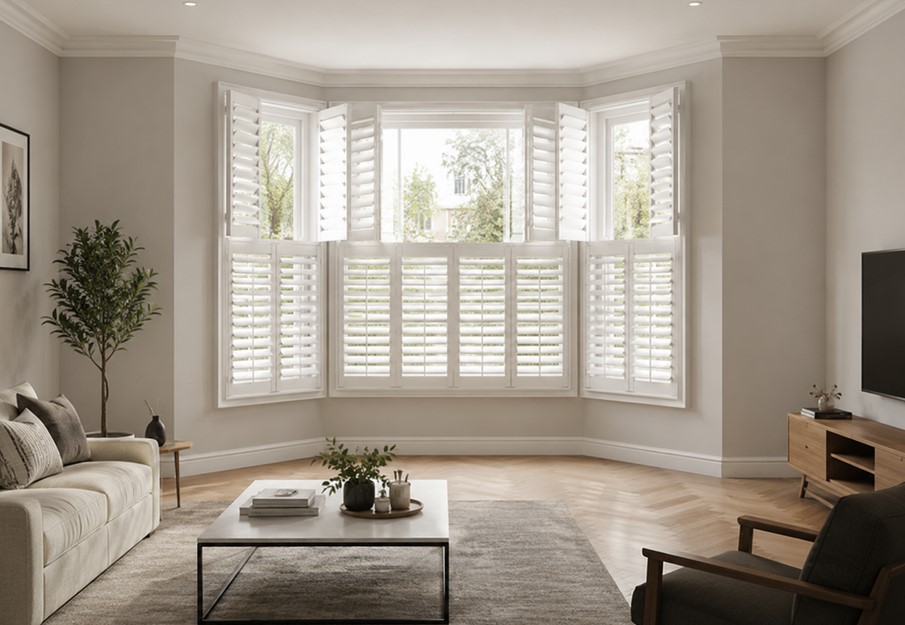
Let’s keep it simple. Tier on tier shutters as one of the types of shutters, consist of two separate sets of shutter panels positioned one directly above the other. They cover the entire window, but the top and bottom sections operate completely independently.
You can swing the top panels wide open to let the sunshine flood in, while keeping the bottom panels shut to stop curious passers-by from peering into your home. It’s essentially the best of both worlds. The louvres (the horizontal slats) on each tier can also be tilted individually. So, even if you have all the panels closed, you can angle the top slats to bounce light off the ceiling while closing the bottom ones entirely.
How tier on tier shutters work (and why that matters)
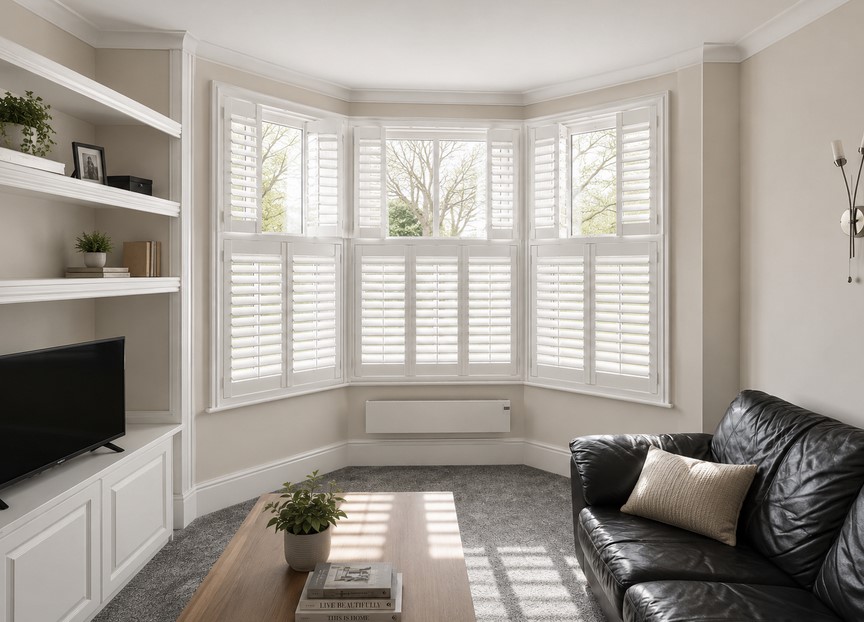
The secret to these shutters lies in their day-to-night flexibility. Because the top and bottom halves aren’t attached to each other, you have total control over how much light enters your room at any given time.
In the morning, you might open the top panels completely to catch the early rays while enjoying your tea in private behind the closed bottom tier. As evening rolls in, you simply close both tiers for a cosy, secure feel. If you work from home, this setup is brilliant for reducing annoying screen glare without having to sit in the dark. Once you try it, you’ll honestly wonder why you didn’t do it sooner.
Tier on tier shutters vs full height shutters UK
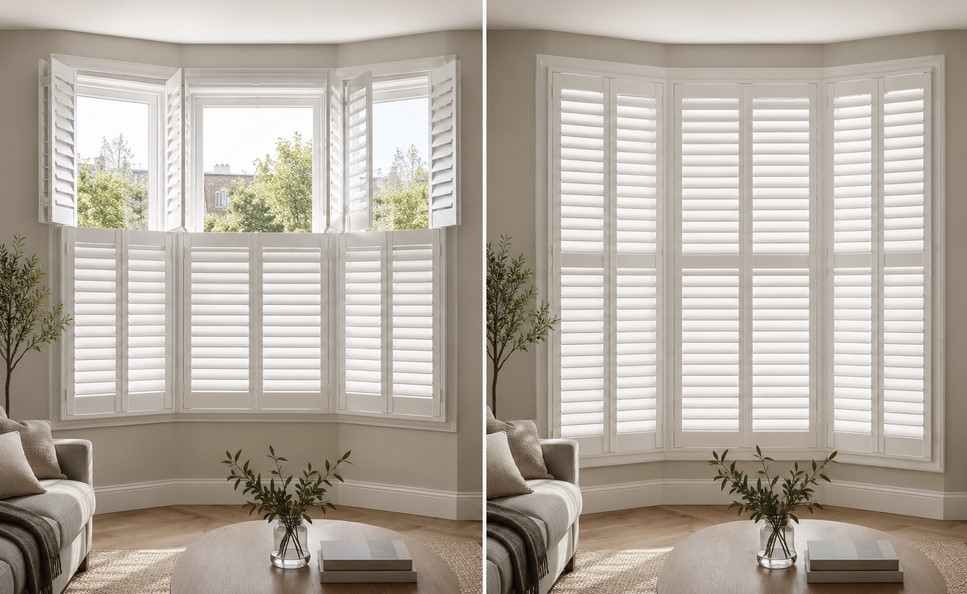
When choosing window dressings, lots of our customers ask us to compare these two popular styles. A full height shutter is exactly what it sounds like: a single panel that runs from the top of the window right down to the sill.
When looking at full height shutters UK homeowners often love the clean, simple lines they provide. They tend to look a bit more streamlined because they don’t have the horizontal break where two separate panels meet.
However, tier on tier shutters win hands down on flexibility. With full height, you can often operate the top and bottom louvres separately by including a mid-rail, but you can’t swing the top half of the door completely open while leaving the bottom half shut. It’s also worth noting that tier on tier can sometimes cost a little more, simply because there are more panels and hardware involved. But for street-facing rooms, that extra versatility is usually worth every penny.
Tier on tier shutter benefits (practical perks you’ll notice daily)
Choosing new window coverings is a big decision, so it helps to know exactly what you’re getting. Here are the main tier on tier shutter benefits you’ll experience:
- Privacy without losing daylight: You don’t have to sacrifice natural light to keep prying eyes away.
- Better light control: Adjust the independent panels as the sun moves around your house throughout the day.
- Perfect for street-facing rooms: Ideal for ground-floor living rooms or bedrooms that face a busy pavement.
- Glare reduction: Keep the sun off your television or computer monitor while keeping the room bright and airy.
- A neat, built-in finish: Shutters add a timeless, premium architectural feel to any space.
- Easy to clean: A quick wipe with a damp cloth or a duster is all they need, unlike heavy curtains that hold onto dust and allergens.
- Cosy feeling: While we can’t promise they’ll slash your heating bills, a solid layer of timber across your windows can often help rooms feel less draughty in the winter months.
Where tier on tier shutters work best in UK homes
Because they are so adaptable, tier on tier shutters UK installations are incredibly popular in a variety of property types, from Victorian terraces to modern new builds.
They absolutely shine in living rooms and bay windows that face the street. By keeping the lower panels closed, you stop people looking in, but keeping the top open stops the room from feeling cramped.
Bedrooms are another great spot. You get the darkening effect at night when everything is closed, but you can let the light pour in while getting dressed in the morning. Home offices benefit massively too, as you can easily manage the shifting daylight to avoid squinting at your laptop monitor.
Things to consider before buying
Before you take the plunge, there are a few practicalities to think about. We always run through these during a home survey, but it helps to have them in mind:
- Window depth and recess: Tier on tier shutters need enough space to fold back neatly. We’ll check if your window handles or the recess depth will get in the way.
- Louvre size: Thicker slats let in more light when open and offer a more contemporary look, while narrower slats feel a bit more traditional.
- Access to windows: Think about how often you open your actual windows for ventilation, as you’ll need to swing the shutters open to get to the latch.
- Matching style: If you have full height shutters upstairs, you might want to consider how a different style downstairs will look from the outside of your property.
Our process at Art Blinds
Getting the perfect fit is crucial, especially with moving parts. We’ve been fitting shutters and blinds for over 50 years, so we know exactly how to handle wonky walls and tricky bay windows.
We’re based in Hadleigh, Essex, and our team regularly serves Southend-on-Sea, Westcliff-on-Sea, Leigh-on-Sea, Chalkwell, Rayleigh, and Basildon. Everything we supply is strictly made-to-measure and expertly fitted by our own professionals. You’re always welcome to visit our showroom to see the different styles and materials in person, have a chat with us, and get a feel for what will suit your home best.
Frequently asked questions
Are tier on tier shutters worth it?
Absolutely. If you have a street-facing room or just want the ultimate flexibility between natural light and privacy, they are a brilliant investment that adds a premium feel to your home.
Do tier on tier shutters block out light completely?
They offer fantastic light control, but they aren’t 100% blackout. A tiny amount of light can seep between the louvres and the frame. If you need total darkness, we can discuss integrated room-darkening blinds.
What’s the difference between tier on tier and café style shutters?
Café style shutters only cover the bottom half of your window, leaving the top half permanently exposed. Tier on tier covers the whole window, giving you the option to close the top half when you need to.
Are tier on tier shutters more expensive than full height shutters?
They generally can be slightly more expensive because they require extra panels, hinges, and framework. However, the final price always depends on the size of your window and the materials you choose.
Can tier on tier shutters be made to measure for bay windows?
Usually, yes! They look stunning in bay windows. Because bay angles can be tricky, our made-to-measure service ensures the frames fit perfectly without wasting space.
Are they easy to clean and maintain?
Very easy. Just use a feather duster or wipe them down with a slightly damp cloth. You won’t have to take them down and put them in the washing machine like you do with fabric curtains.
Will shutters help with insulation or draughts?
They may help reduce a draughty feel. Adding a fitted, solid layer between your window glass and your room acts as an extra barrier against the cold.
How do I choose between tier on tier and full height?
If you desperately need independent control of the top and bottom panels (like swinging the top doors fully open), choose tier on tier. If you just want to tilt the slats and prefer a simpler, cleaner aesthetic, full height is a fantastic option.
Ready to transform your windows?
We hope this guide has cleared up the differences and helped you figure out the best style for your space. Getting the right window dressing completely changes the feel of a room, giving you the privacy you need and the light you want.
If you’re still deciding between styles, or you’re ready to get some accurate measurements taken, we are here to help.
Give our friendly team a call, drop us an email or visit our contact page to arrange a consultation. Let’s create something beautiful for your home.
